
Store records normally. Navigate them relationally.
North Star’s spatial-memory model does not claim that a multidimensional “memory sky” literally exists on disk. It stores ordinary serialized records — identifiers, coordinates, hashes, lineage, confidence, contradiction pressure and relationships — then interprets those records as navigable semantic terrain at runtime.
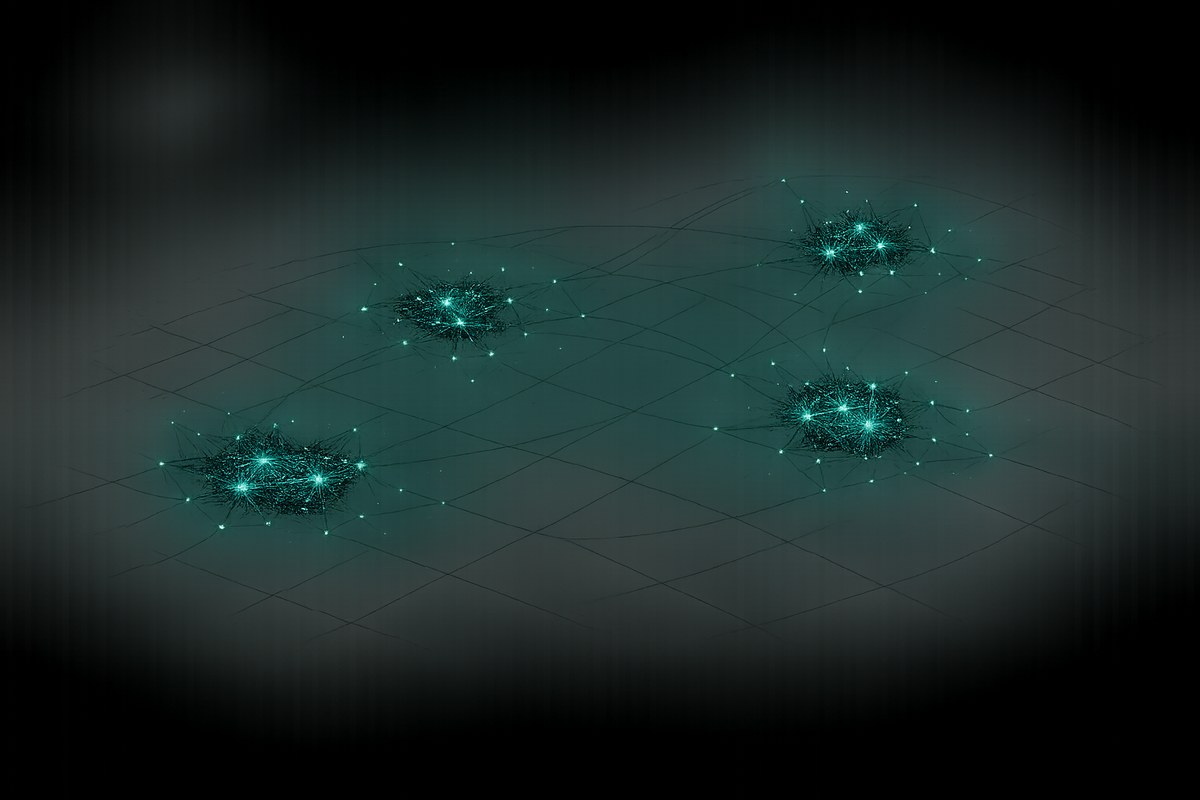
Relationships can carry information that isolated documents cannot.
A conventional lookup often asks, “Which chunks are similar to this query?” Spatial memory can also ask: Which memories are nearby by meaning? Which are in tension? Which relationships persisted? Which coordinate moved, and why? Which evidence supports that neighborhood?
Place
A candidate record can carry a semantic coordinate or coordinate family used for deterministic lookup and comparison.
Context
Recall can consider nearby records and relationships rather than returning a single disconnected string.
Contradiction
Conflicting evidence can remain separated and visible instead of being averaged into a false consensus.
Origin
Coordinates and relationships remain attributable to source artifacts and witnessed transformations.
State change
Future terrain mutation can be represented as a candidate delta and reviewed rather than silently changing canonical memory.
Reconstruction
Stable identifiers and deterministic artifacts support replay of why a particular memory was visible or ranked.
Query by identity, relation, meaning and confidence.
The Distributed Lattice Intelligence (DLI) layer is treated on the public site as a semantic coordinate and relationship layer. Query results remain candidate records; a hit does not equal truth or permission.